
A Holistic Morning Routine for Toddlers
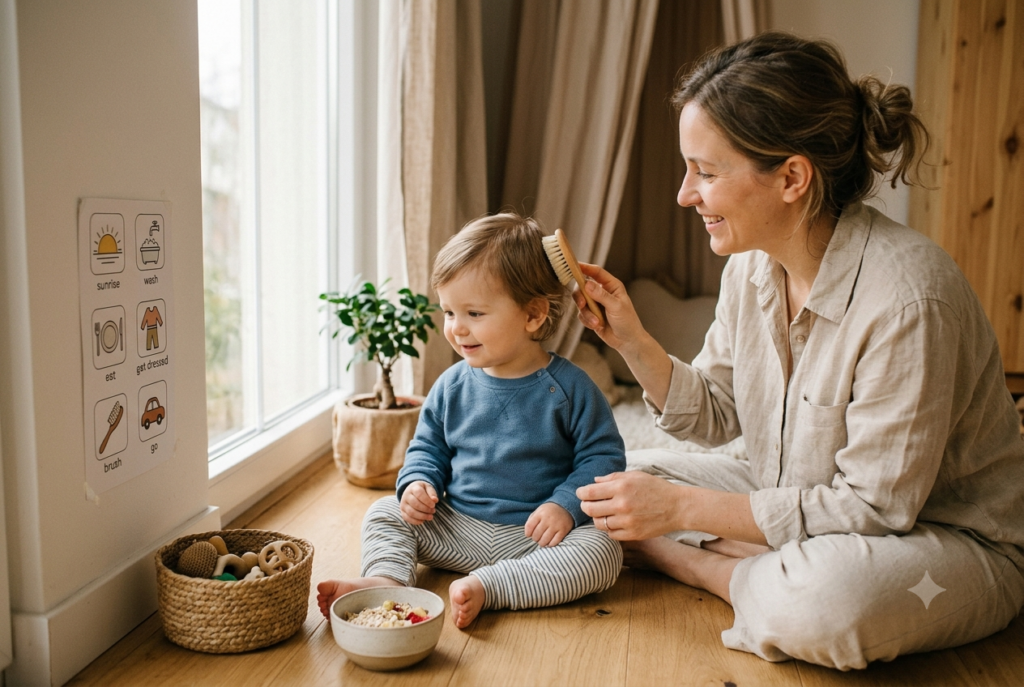
Blog A Holistic Morning Routine for Toddlers The transition to preschool or daycare is a massive milestone for a child—and an equally big shift for parents. Suddenly, slow, unstructured mornings are replaced by hard deadlines and backpacks. For a little one just starting this journey, the rush to get out the door can trigger separation anxiety, big emotions, and intense power struggles. Setting up a predictable, holistic morning routine for toddlers before or right as they begin school is the secret to a smooth transition. A holistic approach doesn’t mean a rigid, stressful schedule. Instead, it’s about aligning your toddler’s internal biological clock with their new external world, ensuring they head to the classroom feeling emotionally secure, physically rested, and ready to learn. Let’s look at how to build a gentle, stress-free routine that transforms the school rush into a positive daily ritual. Why a Smooth Morning Schedule Matters for School When a child starts school, their sensory and emotional load skyrockets. If they start the day in a frantic rush, their nervous system enters a fight-or-flight state before they even step into the classroom, making drop-offs incredibly difficult. Establishing a thought-out toddler morning schedule bridges the gap between home and school. When mornings feel predictable, school feels safe. The work for a successful school morning actually begins the night before and relies on balancing two critical pillars: waking rhythms and sleep discipline. How to Build a Holistic Morning Routine for Toddlers 1. Shift the Sleep Schedule Gradually You cannot have a peaceful morning without a solid toddler sleep routine. If your child needs to wake up by 7:00 AM for school, they need a consistent 10 to 12 hours of sleep the night before. The 2-Week Shift: If your toddler is used to late mornings, move their bedtime and wakeup times earlier by 15-minute increments every few days before school officially starts. Wind-Down Rituals: Keep the environment dim and screen-free for at least an hour before sleep to trigger natural melatonin production. 2. The “Buffer Time” Wake-Up Always build an extra 20 to 30 minutes of “buffer time” into your morning than you think you need. Hurrying a toddler is the fastest way to cause a meltdown. Waking them up gently—with soft music, cuddles, or a favorite story—allows their brain to transition naturally into an alert state. 3. Visual Routines and Predictable Steps Toddlers cannot read a clock, but they can read patterns. Create a visual chart using simple pictures of the steps they need to take: using the washroom, getting dressed, having a quick breakfast, and putting on shoes. Let them flip a flap or check off the step. This gamifies the morning and removes you from the role of the constant “nagging” parent. 4. Keep Breakfast Simple and Quick While nutrition matters for school focus, don’t turn breakfast into a battleground or an elaborate cooking show. Keep it simple, grounding, and low-stress. A quick bowl of oatmeal, a warm idli, or a simple fruit smoothie provides the necessary energy boost without requiring an hour at the table. 5. The Separation Ritual The final step of a school morning routine is the goodbye. Create a short, special ritual—like a secret handshake, a specific hug, or a reassuring phrase (“Mommy/Daddy always comes back”). Predictable goodbyes build immense psychological safety, helping them transition into the classroom with confidence. A Simple, Stress-Free Morning Timeline This timeline balances physical preparation with the emotional support needed for a successful toddler school transition. Phase & Time The Action Steps The Holistic Focus Phase 1: 7:00 AM Gentle wake-up, cuddle time, and low-light stretching. Emotional anchoring Phase 2: 7:15 AM Using the washroom, brushing teeth, and getting dressed. Autonomy & life skills Phase 3: 7:45 AM A simple, unhurried breakfast together. Fueling the brain Phase 4: 8:05 AM Packing the bag together, putting on shoes, and the separation handshake. Closure & readiness Ready for Day One! Transitioning to school is a beautiful leap forward, but it requires a solid foundation at home. By deliberately crafting a holistic morning routine for toddlers, you give your child the emotional scaffolding they need to handle the big, bright world of the classroom. There will inevitably be mornings when a shoe goes missing or a sudden tantrum happens right at the doorway. When those moments arise, fall back on these stress-free morning with kids strategies: pause, take a deep breath, and connect before you try to direct. With consistency, patience, and a predictable rhythm, your toddler won’t just adjust to their new school routine—they will thrive in it.
How to Handle Separation Anxiety in Early Years

Blog How to Handle Separation Anxiety in Early Years Naturally That tight, iron-grip clutch around your leg. The sudden, breathless tears at the school gate. If you are a parent or caregiver, you know exactly how heartbreaking it is to walk away when your little one is distressed as they step into their early education journey. It is easy to wonder if you are doing something wrong, but here is the gentle truth: separation anxiety in early years is a completely normal, healthy milestone. It is a sign of a strong secure attachment between you and your child. Around 8 months of age, babies begin to understand object permanence—the concept that things (and parents) exist even when they can’t be seen. When children transition into a structured school environment, this anxiety can resurface because they have to navigate a new space and new faces. At Amruthaya Central School, the CoSMoS preschool framework is intentionally designed to support this transition by nurturing essential social and emotional skills in young learners. However, you can also practice powerful, natural remedies for separation anxiety at home to build trust, confidence, and ensure smoother school drop-offs. 1. Practice Short, Playful Separations Don’t wait for the first official day of school to leave your child for stretches of time. Start small at home to build their “separation muscle.” Play Peek-a-Boo: For younger children, this classic game is actually a fundamental lesson in object permanence. You disappear, and then—magic!—you return. The Room-to-Room Walk: Tell your child, “I am going to the kitchen to get a glass of water, and I’ll be right back.” Walk away, keep talking to them from the other room so they can hear your voice, and return within a minute. These tiny moments teach child psychology basics naturally: Mommy/Daddy leaves, but they always come back. 2. Establish a Predictable Goodbye Routine Children thrive on predictability. When transitions are chaotic, anxiety spikes. Creating a short, sweet, and identical goodbye routine gives your child a sense of emotional security before entering the classroom. Give notice: 5 minutes before leaving.Give a clear countdown so the transition isn’t sudden. “In five minutes, we will be at Amruthaya, and you get to play with your friends.” Execute the connection ritual: 1 minute before leaving.Create a special handshake, a specific phrase, or a “pocket kiss” where you blow a kiss into their hand and zip it up tight. State your return clearly: 30 seconds before leaving.Link your return to a specific daily event, not a clock time. Instead of “I’ll be back at 1 PM,” say, “I will pick you up right after your afternoon rhyme time.” Leave confidently: Immediately.Smile, say your goodbye, and walk away without lingering. Sneaking out might seem easier, but it destroys trust and worsens toddler anxiety the next morning. 3. Introduce a “Comfort Object” (Transitional Object) In early childhood development, a transitional object acts as a security bridge between home and the classroom environment. This is a completely natural way to provide comfort when you aren’t there. A small stuffed animal, a soft handkerchief, or a small charm can work wonders. Many schools with a low student-teacher ratio—like Amruthaya’s 1:15 classroom design—gladly welcome a comforting token from home during the initial weeks to help children regulate their feelings. 4. Co-Regulate Their Emotions First Children are absolute mirrors of our internal state. If you are feeling guilty, nervous, or tearful during a school drop-off, your child will scan your body language and conclude, “Wow, Mom is scared. This place must not be safe!” Before you say goodbye at the school gate, take a deep, grounding breath. Keep your voice calm, warm, and confident. Validate their feelings without feeding the drama: “I know you’re sad to say goodbye, and it’s okay to cry. You are safe with your teachers, and I’ll be back right after lunch.” 5. Focus on a Nutrient-Dense, Calming Routine Sometimes, popular parenting tips overlook the physical side of anxiety. A child who is overtired or experiencing a sudden blood sugar crash will have a much harder time managing big emotions at school. Ensure your child has a solid toddler sleep routine to avoid exhaustion-fueled morning meltdowns. Offer a balanced breakfast with complex carbohydrates and healthy fats before they head to school to keep their physical energy and mood stable. A Supportive Note for Parents Be patient with the process. Separation anxiety in early years is just a short season. With a consistent, loving approach and a supportive school community, your child will gradually realize that your goodbyes are never permanent, and their independence will beautifully bloom.